
Patricia had not yet finished speaking when the telephone rang in her office.
“It is the county investigator,” she said. “Margaret has already reported that you threatened her.”
“I did not threaten her—”
“I know,” Patricia interrupted me. “That is why I handed them the complete recording.”
She opened the videos recorded on my phone. Margaret’s voice could be heard clearly.
“You have thirty days to clean it up.”
“I am protecting the community.”
“If you do not obey me, the county will come against you.”
Then my answer could be heard: “This is my land. You have no right to enter here.”
Patricia stopped the recording.
“Now she will hear her own words from someone else’s mouth,” she said. “And she will no longer be able to say that everything happened differently.”

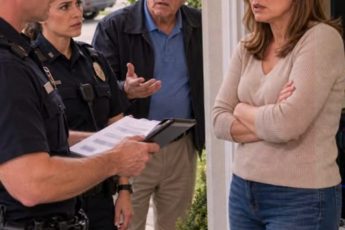
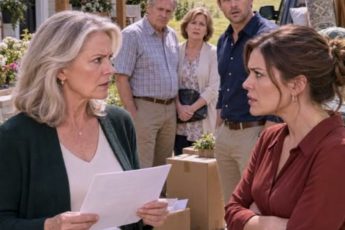
The next day Margaret, her attorney, the county inspector, and the deputy sheriff gathered on my slope. The sky was low and heavy. The ground, rained on the previous night, clung to their boots.
Margaret’s attorney opened a folder.
“My client denies false authorization. She thought the boundary ran differently.”
Patricia calmly held out the phone.
“Then listen to your client saying that she knows this is Daniel’s land.”
The recording began.
Margaret’s voice sounded across the slope: “You may own the land, but you have no right to create a danger for the community.”
Then her laughter.
“Consider that I helped you.”
Margaret froze.
Her attorney slowly turned around.
“Did you say all of this?”
“It has been taken out of context.”
“The date and time are visible in the video.”
“I was only protecting the settlement.”
“You released forty-one goats on my client’s land,” the attorney said. “From this moment on, I will no longer make public statements on your behalf.”
Margaret looked at him.
“What does that mean?”
“It means you will defend yourself.”

For the first time I saw not anger on her face, but genuine fear.
The inspectors examined the container. They entered each machine on the list. The old tractor had a number, and so did the generator. The mark of Earl Whitfield’s company was still visible on the metal.
Thomas himself brought the documents the next day. He had a small notebook whose cover had become wavy from the dampness.
“All the payments are here,” he told me. “The Coles’ association had been taking money for years from land that never belonged to it.”
“How?”
“They convinced the neighbors that the slope was a common reserve zone. Then they planned to sell the equipment. Margaret inherited this scheme from her father.”
“Did she know that the equipment was mine?”
Thomas lowered his head.
“She knew that you had the title deed. That is why she tried to declare everything waste before anyone saw its real value.”
That was the whole truth.

She did not merely want to beautify my slope. She wanted the property hidden beneath my land, which her family had failed to take possession of years earlier.
Margaret was charged with illegal entry, use of a false document, and attempted commercial damage. The association reimbursed the goat company’s expenses and also paid for removing the fence and restoring the damaged slope.
I did not want to humiliate her in the courtroom. I wanted them, at long last, to return my land to me.
At one of the hearings the judge asked her:
“Mrs. Cole, why did you state in the document that you had the right to enter?”
Margaret remained silent for a long time.
“I thought it would be better for everyone this way.”
“For everyone or for you?”
She could not find an answer.
Several weeks later my slope became quiet again. The goats left. I removed the fence. I left part of the blackberries natural, and cleared part so that rainwater would have a path.

The container was no longer empty. Thomas and I made an inventory of the equipment. Some machines could be repaired, while some were useful only for parts. I did not begin selling. For the first time, I wanted to understand everything properly.
I repaired the old tractor. It took me three weeks. I replaced the fuel pump, cleaned the engine, and covered the rusty seat with new leather.
When it started for the first time, the sound carried across the entire slope.
But one room in my house remained empty.
It was the small room where I kept all the letters I had received from Margaret. For years I folded each one and put it in a folder, because I thought I might need it someday. Now I took everything out of the room. I left only one sheet of paper — my reply, on which it said: “You have no right to enter my land.”
I did not hang the paper on the wall. I put it on the table and opened the window.
The smell changed.
There was no longer the fear that I would find someone on my land in the morning. There was no longer the constant thought that in the next letter Margaret would invent another right.

Three months later, on the first snow, my nephew Luka came to me. He was six years old and looked at everything as if everything in the world were still waiting to be discovered.
“Uncle, are these old machines yours?”
“Now they are.”
“Why were they hiding?”
I thought for a while.
“Sometimes things hide until the right person finds them.”
Luka drew a small picture in the snow with a stick. On one side he drew a goat, and on the other a large tractor.
“Is this goat bad?” he asked.
“No. The goat simply found what people could not see.”
“Then the goat was good.”
“Very good.”
That same evening I received a message from Margaret.
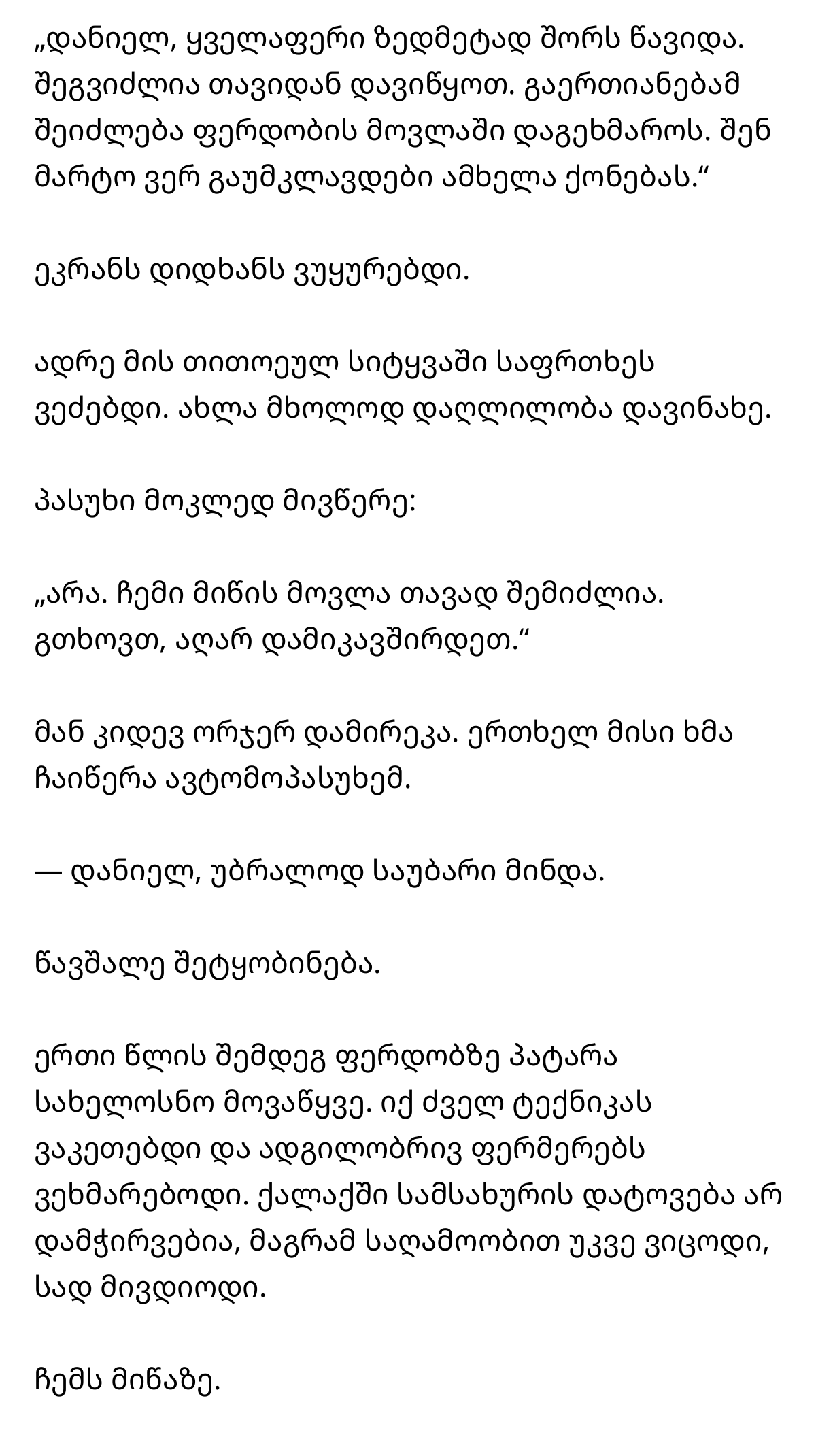

“Daniel, everything has gone too far. We can start over. The association could help you maintain the slope. You cannot manage such a large property alone.”
I looked at the screen for a long time.
Before, I had searched for danger in each of her words. Now I saw only exhaustion.
I wrote back briefly:
“No. I can maintain my land myself. Please do not contact me again.”
She called me twice more. Once, her voice was recorded by the answering machine.
“Daniel, I just want to talk.”
I deleted the message.
A year later I set up a small workshop on the slope. There I repaired old equipment and helped local farmers. I did not have to leave my job in town, but in the evenings I already knew where I was going.
To my land.
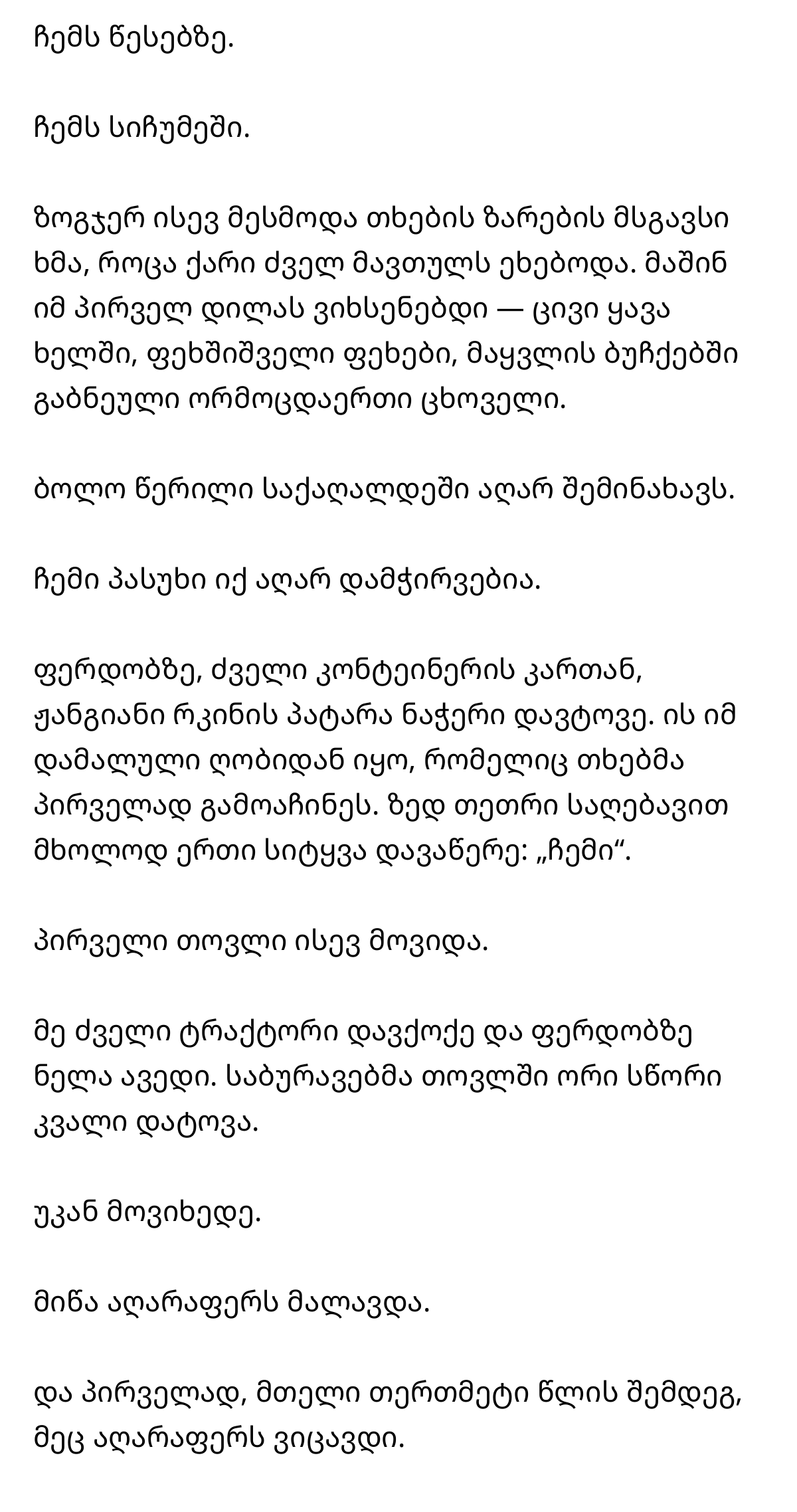

By my rules.
In my silence.
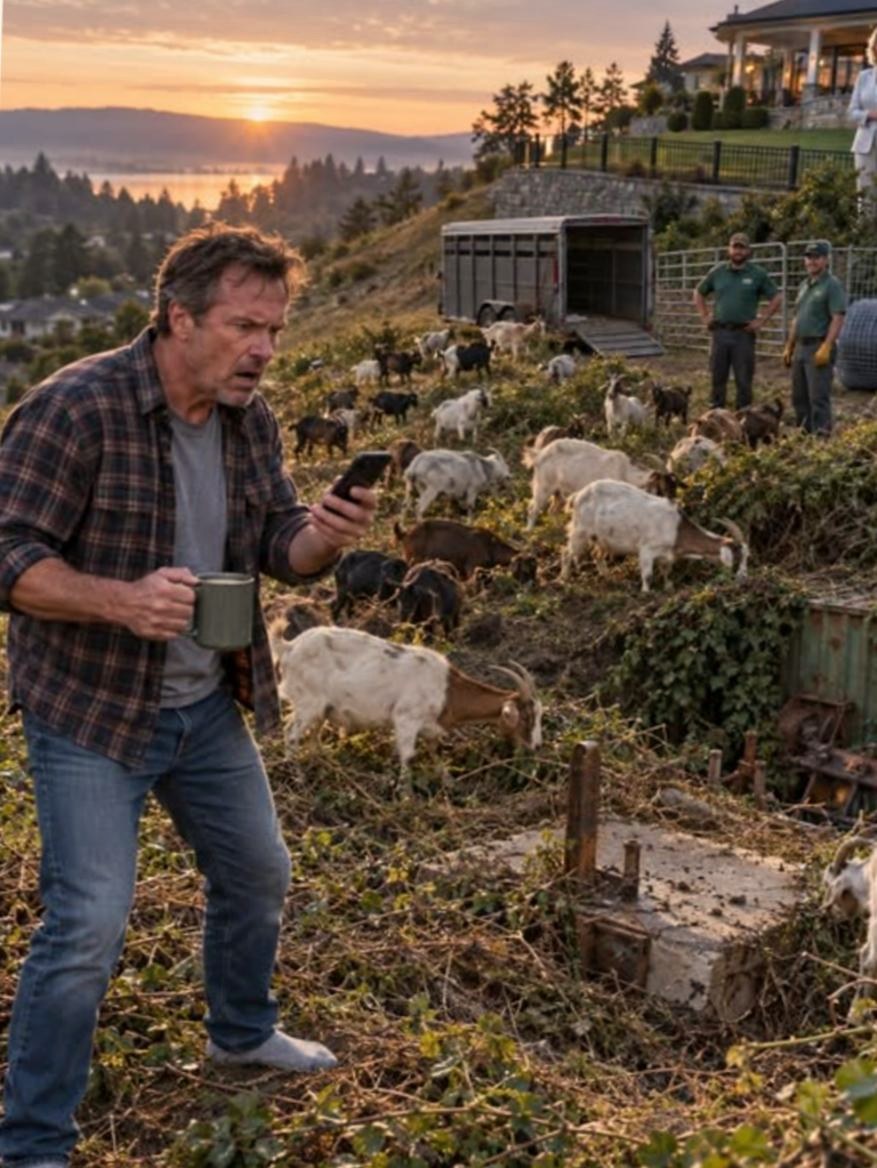
Sometimes I still heard a sound like the bells of goats when the wind touched the old wire. Then I remembered that first morning — cold coffee in my hand, bare feet, forty-one animals scattered among the blackberry bushes.
I did not keep the last letter in the folder anymore.
I no longer needed my reply there.
At the door of the old container, on the slope, I left a small piece of rusty iron. It was from the hidden fence that the goats had revealed first. On it, with white paint, I wrote only one word: “Mine.”
The first snow came again.
I started the old tractor and slowly drove up the slope. The tires left two straight tracks in the snow.
I looked back.
The land was hiding nothing anymore.
And for the first time in all eleven years, I was not protecting anything anymore either.
Missed the beginning?