PART 4
Harold’s sentence hung over the table.
My mother reached for the receipt.
She did not touch it.
“Tell me,” she said.
Harold looked at me first, as though asking permission to open a wound that belonged to all of us.
Then he turned to Ruth.
“The loan was paid by your sister.”
My mother’s face emptied.
“Lydia is dead.”
“She was alive then.”
The restaurant remained still around us. The customers who had witnessed the insult were no longer watching Valerie. They were watching my mother hold a receipt that had survived twenty-two years inside a notary’s satchel.
I knew the name Lydia only from arguments I had overheard as a child. My mother never spoke about her sister unless someone asked why there were no family photographs in our apartment.
“What does Aunt Lydia have to do with this?” I asked.
Ruth folded the receipt once, carefully.
“She owned half the building with me.”
Mateo stared.
“You told me the bank owned it.”
“I told you what I could bear to tell you.”
A chair scraped behind us. Valerie had stopped at the threshold.
“You said she abandoned the property,” Valerie said.
Ruth looked up.
“She did not abandon it. I asked her to disappear from the papers.”
“Why?” I asked.
My mother’s fingers tightened around the receipt.
“Because Stephen Pike threatened her.”
Harold lowered his eyes.
“Pike controlled most of Bell Street then. He told Ruth that if Lydia’s name remained on the deed, he would call the health department and have the restaurant closed. Ruth had borrowed money to keep the kitchen running. Lydia paid the loan, but transferred her share into a private trust.”
Valerie stepped back into the room.
“That trust ended when my father died.”
“No,” Harold said. “It did not.”
He opened the packet again and removed a narrow legal page, yellowed at the edges. The ink had faded, but the final paragraph remained clear.
“Lydia’s share passes to her child,” Harold read.
My mother looked at me.
I felt the floor move beneath my shoes.
“I don’t understand.”
“You were the child,” she whispered.
For a second, I heard nothing but the refrigerator humming behind the bar.
“You put the building in my name?”
“I put Lydia’s share in your name. You were eighteen. I thought it would protect you from the debt.”
“You never told me.”
“I wanted you to have an ordinary life.”
I laughed once, but there was no humor in it.
“An ordinary life where we moved every year because you said landlords were difficult?”
Her eyes filled.
“An ordinary life where you never had to sit in a kitchen and hear people decide what you were worth.”
Mateo stood slowly.
“Then Valerie’s company cannot buy the building.”
“Not without Elena’s signature,” Harold said.
Valerie’s face had gone white.
She looked at me as if she were seeing an obstacle that had been hidden behind a curtain.
“You don’t even know what you own.”
“No,” I said. “But I know what you tried to take.”
Her voice dropped.
“You think this restaurant can survive? Mateo is drowning in debt. Your mother is exhausted. You will inherit a building full of problems and a kitchen that barely pays for its gas.”
Mateo flinched. I saw it.
Valerie saw it too.
“That is the truth,” she said. “I offered him enough money to start somewhere else.”
Mateo’s jaw tightened.
“You offered me a job managing the chain that would replace this place.”
“I offered you security.”
“You offered me a salary to erase her name.”
He pointed toward my mother.
Valerie’s composure cracked.
“She gave you the business and walked away. You owe her nothing.”
Mateo crossed the room. He stopped beside the brass service bell, the one Ruth had struck when the banker called.
“I owe her every person who ever ate here without being asked to earn the right.”
Valerie looked toward the customers.
No one defended her.
The woman at table nine, who had made the cruel remark, gathered her purse. She had been silent since the documents appeared.
“I didn’t know any of this,” she muttered.
My mother turned to her.
“You knew enough to hurt me.”
The woman’s eyes dropped to the tiramisu.
“I was trying to be funny.”
“It wasn’t funny.”
“I’m sorry.”
Ruth studied her for a long moment.
Then she pushed the dessert plate toward the empty chair.
“Sit down.”
The woman blinked.
“What?”
“Sit down and eat your dinner. Then apologize to the people you made uncomfortable.”
The woman did not move.
Ruth’s voice remained quiet.
“If you leave, you will only remember that I embarrassed you. If you stay, you may remember what you did.”
The woman sat.
It was not forgiveness. Not yet.
It was a consequence with a chair beneath it.
Valerie remained near the doorway, clutching her cream jacket.
Mateo walked to the office and returned with a single sheet of paper.
“I have canceled the purchase agreement,” he said.
Valerie stared at him.
“You cannot cancel it.”
“I can refuse to complete it.”
“Your investors will destroy you.”
“They can try.”
“And the bank?”
“Elena is the controlling owner. The bank has no authority to close without her consent.”
Valerie turned to me.
“You will regret this.”
My mother reached for my hand under the table.
I felt the old leather of her purse brush my wrist. It was the same purse she had tried to hide behind when Valerie mocked her, the same purse that had carried the key to a history she thought she had buried.
“I may regret many things,” I said. “Signing your papers will not be one of them.”
Valerie left without another word.
This time, nobody locked the door behind her.
Harold stayed until nearly midnight, explaining every page. The trust was real. The share was mine. The restaurant’s lease could be renewed, but only if Mateo and I agreed to new terms.
That part frightened me more than Valerie had.
At 12:18, Mateo sat across from us with two cups of coffee and no apron.
“I don’t want you to sign because your mother asks,” he said.
“I’m not signing tonight.”
“I know.”
“I need to understand the accounts.”
“You should.”
“And I want the restaurant to pay its staff before it pays me.”
Mateo nodded.
“And no one gets to be humiliated here. Not customers. Not workers. Not my mother.”
His eyes shone.
“That was always the rule.”
“No,” Ruth said. “It was a promise. Rules can be ignored.”
Mateo looked at her.
“Then help me write it properly.”
My mother gave a tired smile.
“I have one condition.”
“What is it?”
“Put tiramisu on the menu before the main course.”
Mateo laughed, and the sound loosened something in the room.
The woman from table nine approached before leaving. She had paid for her meal and left a second bill beneath the plate, enough to cover the dessert she had mocked.
She stood beside my mother.
“I was cruel,” she said.
Ruth did not rescue her with an easy answer.
“Yes,” she replied.
The woman swallowed.
“I am sorry.”
“Then remember my face the next time you think cruelty is advice.”
“I will.”
She left with her shoulders bent, carrying the weight of her own words.
At 12:41, Mateo unlocked the kitchen and switched on the ovens. The dining room had emptied, but the restaurant no longer felt abandoned. Garlic still clung to the air. The brass bell still shone beside the doors. Ruth stood in the kitchen entrance, looking at the counters she had built her life around.
“You could have told me,” I said.
“I was ashamed.”
“Of what?”
“Of needing help. Of leaving. Of being afraid that if I came back, everyone would see I had failed.”
I took the red fountain pen from the black case and placed it in her palm.
“You did not fail. You kept the place alive long enough for us to find it.”
She looked at the pen, then at Mateo.
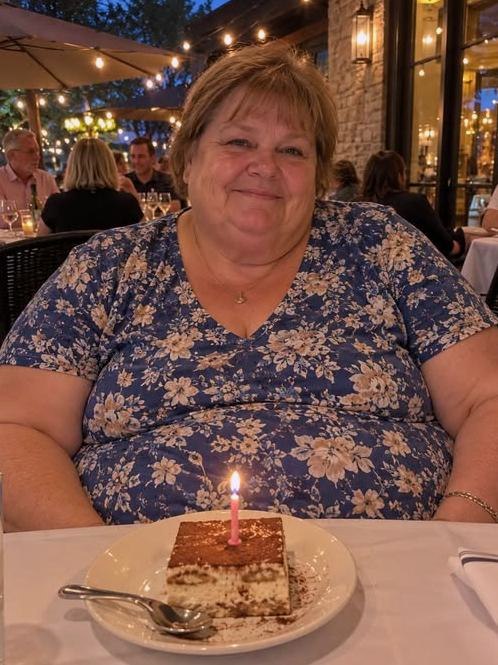
He set three plates on the counter. The first held ravioli. The second held bread still steaming from the oven. The third held the untouched tiramisu from my mother’s birthday.
Mateo picked up the brass service bell.
“Ruth,” he said, “will you do me the honor of ringing in the next chapter of this kitchen?”
She shook her head.
“Don’t call it a chapter.”
“What should I call it?”
She placed the red pen beside the tiramisu and lifted the bell.
“Dinner,” she said.
Then she rang it, and the sound traveled through every room of the restaurant like a promise nobody could forge.
Missed the beginning?






