

That evening, when I called my former lover the main standard of my life, my husband placed his wedding ring on a photograph of our child and left the house.
The hall at the charity evening was excessively warm. The light falling from the chandeliers spread across the glassware, while the champagne had such a sweet taste, as if it were promising me in advance that nothing would end.
I was standing on the stage and introducing Graham Whitfield. He had once been my lover, and now he was one of the largest donors to the children’s reading foundation.
“Tessa, just thank him and come down,” the event coordinator quietly told me before handing me the microphone.
“That is exactly what I intend to do,” I smiled.
But then I looked at Graham in the hall. The old confident smile, calm eyes, expensive watch. Suddenly I remembered how he used to speak to me on the stairs of the university library and assure me that one day every room would open for us.
The microphone remained in my hand.
“Graham was always the person to whom I compared everyone,” I said. “Beside him I first understood what true ambition, courage, and strength should be. Perhaps that is why I measured every man by him.”

The hall responded with admiration. Someone began to applaud. I raised my glass.
“A toast to Graham. To the man who still remains the standard that not everyone can reach.”
Four seconds passed before I looked at my husband.
Kailey was not angry. That was precisely what was terrible. His fork lay on the plate, while his fingers rested motionlessly beside the edge of the table. In the morning, with these same hands, he had packed Miles’s children’s bag, made my favorite coffee, and called to me at the door to take an umbrella.
Graham came to our table.
“Tessa, that was very generous,” he said and smiled awkwardly.
Kailey looked into his eyes.
“She is yours.”
He spoke the words quietly, but everyone at the table fell silent. Graham’s smile disappeared from his face. In my ears I heard only the clinking of ice cubes.
“Kailey, I just got carried away,” I whispered and touched his arm.
“No,” he replied. “You simply said what you really think.”


He stood up, fastened the button of his jacket, and left the hall as if he had not started a quarrel but made a decision.
I did not follow him.
I stayed, smiled, and told everyone that Kailey was feeling unwell. The music continued. Glasses touched one another. And I sat in that same chair, trying to turn the humiliation of my own husband into an ordinary toast.
In the restroom, I fixed my lipstick in front of the mirror. My lips were trembling.
“It was only words,” I told myself.
But my reflection did not believe me.
When I arrived home at eleven at night, the nanny was standing in the kitchen and turning Miles’s little plastic train in her hand.
“Kailey came,” she told me. “He kissed Miles, paid my wages, and left again.”
I saw his ring on the kitchen counter.
It had not been thrown away. It had been carefully placed on the frame of our child’s photograph, exactly above Miles’s smiling face. When I picked it up with my fingers, the metal was cold.
I called once. Twice. Eleven times.
The call rang twice and was cut off.
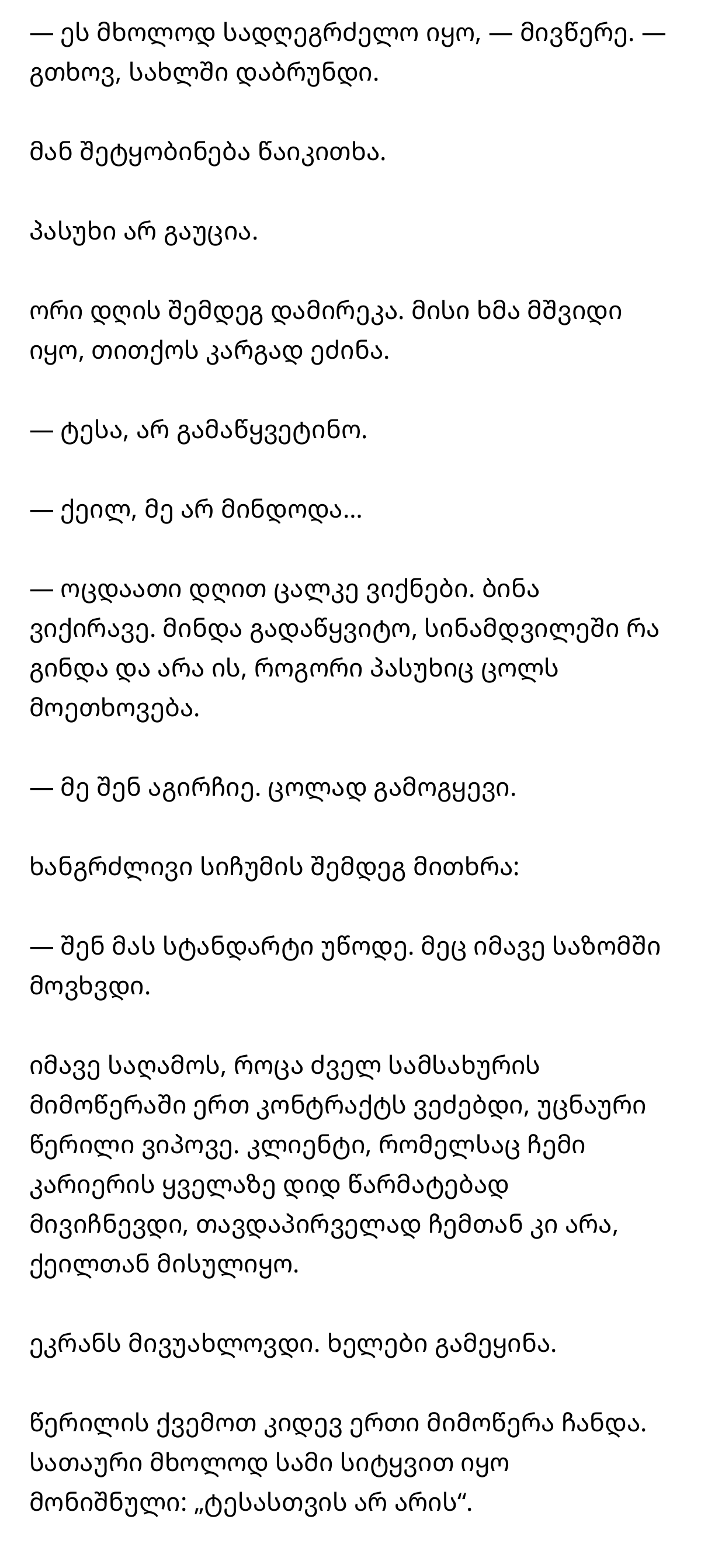

“It was only a toast,” I wrote. “Please come home.”
He read the message.
He did not answer.
Two days later he called me. His voice was calm, as if he had slept well.
“Tessa, do not interrupt me.”
“Kailey, I did not mean to…”
“I will be separate for thirty days. I rented an apartment. I want you to decide what you really want, and not what answer is expected from a wife.”
“I chose you. I married you.”
After a long silence he told me:
“You called him the standard. I ended up in the same measure.”
That same evening, while looking for a contract in old work correspondence, I found a strange letter. The client whom I considered the greatest success of my career had initially gone not to me, but to Kailey.
I moved closer to the screen. My hands went cold.
Below the letter, another correspondence was visible. The subject was marked with only three words: “Not for Tessa.”
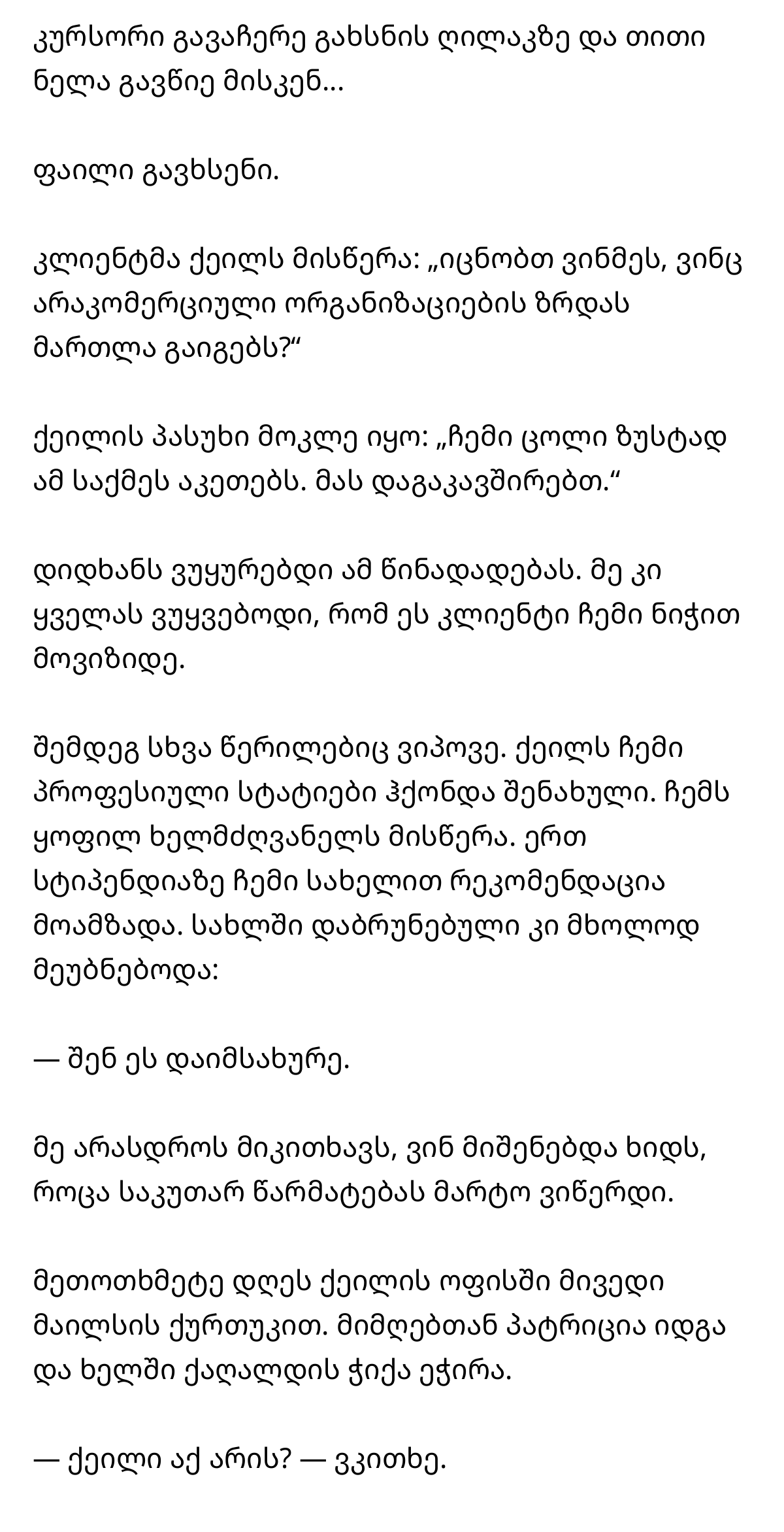
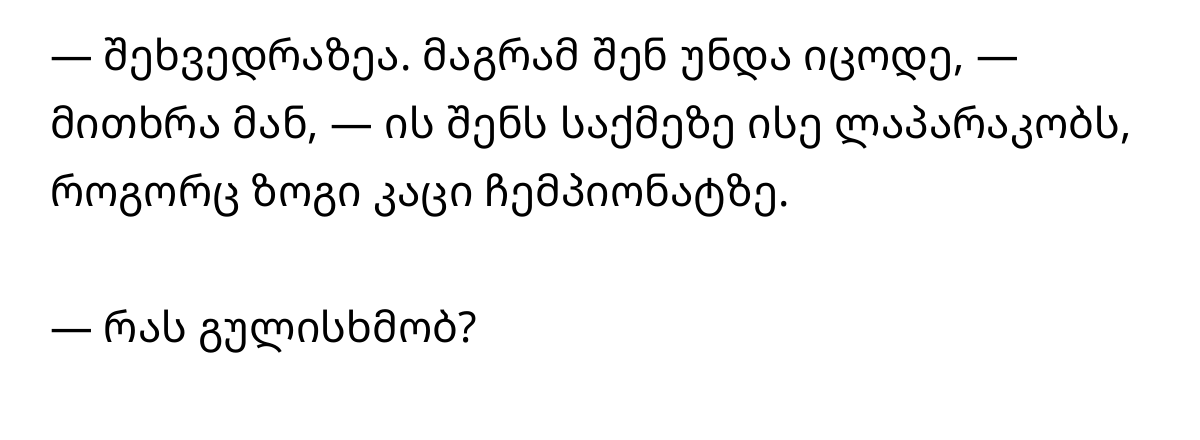

I stopped the cursor over the open button and slowly moved my finger toward it…
I opened the file.
The client wrote to Kailey: “Do you know anyone who truly understands managing the growth of nonprofit organizations?”
Kailey’s answer was short: “My wife does exactly this work. I will connect you with her.”
I stared at this sentence for a long time. And I told everyone that I had attracted this client with my talent.
Then I found other letters. Kailey had saved my professional articles. He wrote to my former supervisor. He prepared a recommendation in my name for a scholarship. And when he returned home, he only told me:
“You deserved this.”
I had never asked who was building a bridge for me while I alone took credit for my success.
On the fourteenth day, I went to Kailey’s office in Miles’s jacket. Patricia was standing at reception, holding a paper cup.
“Is Kailey here?” I asked.
“He is in a meeting. But you should know,” she told me, “he talks about your work the way some men talk about a championship.”
“What do you mean?”
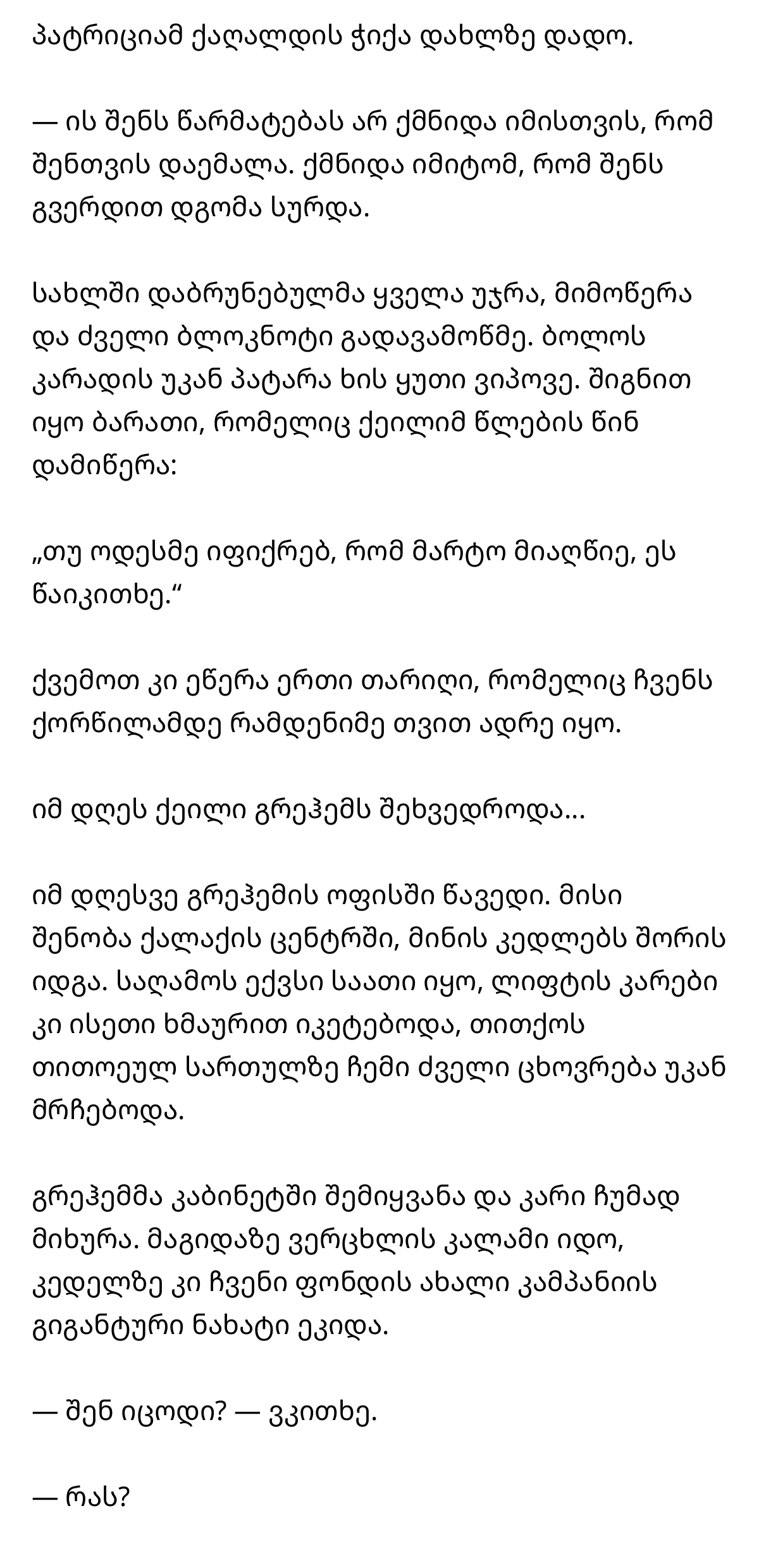

Patricia placed the paper cup on the counter.
“He did not create your success in order to hide it from you. He created it because he wanted to stand beside you.”
When I returned home, I checked every drawer, correspondence, and old notebook. Finally I found a small wooden box behind the wardrobe. Inside was a note that Kailey had written to me years earlier:
“If you ever think that you achieved it alone, read this.”
Below was one date, several months before our wedding.
That day Kailey had met Graham…
That very day I went to Graham’s office. His building stood in the city center, among glass walls. It was six in the evening, and the elevator doors closed with such noise, as if on every floor my old life remained behind me.
Graham led me into his office and quietly closed the door. A silver pen lay on the desk, while a giant drawing of our foundation’s new campaign hung on the wall.
“You knew?” I asked.
“About what?”

I placed the wooden box on the desk.
For the first time I saw fear on his face.
“This date. You and Kailey met that day.”
Graham pulled out a chair, but did not sit down.
“Tessa, that is an old story.”
“Why did he meet you at your office?”
“Kailey asked me to support your project through the foundation.”
“And I thought you had become interested in my idea yourself.”
Graham looked away.
“Kailey arranged everything. He gave me your research, explained the financial plan to me, and told me that if I could not see its potential, it would be my loss.”
The low hum of the heating system could be heard in the room. And I understood why that period came back to me so vaguely. At that time Kailey returned late every evening and told me that he had a lot of work at the office.
“What else did he do?” I asked.
Graham opened a drawer and took out a sealed folder.
“He left this with me. He told me to give it to you only if you ever doubted his loyalty.”

The paper of the folder smelled faintly of dust and lavender. My hands were trembling, but I opened it.
Inside were all the projects of my work, clients’ feedback, received letters, and pages written by Kailey by hand. On each page he had described why I deserved the next step. And on the last sheet it said:
“Never tell Tessa that I helped. If she finds out, she will think that her success was my gift. I only opened the door. She entered the room herself.”
I could not hold myself back.
“Why didn’t he tell me?”
For the first time Graham began searching for an answer, and not making excuses for himself.
“Because your love should not have looked like a debt to him.”
Just then the phone rang. The name of Kailey’s lawyer appeared on the screen.
“Mrs. Morgan,” said an unfamiliar voice, “your husband wants you to sign a separation agreement tomorrow morning.”
“I do not yet know where Kailey is.”

“You know. He is close to your house.”
I looked out the window. A black car stood across the street. Kailey was sitting at the wheel, but he was not getting out of the car.
“What is in the agreement?” I asked.
The lawyer paused briefly.
“You waive all professional rights connected with Graham’s foundation.”
I looked at Graham. His face turned pale.
“That is impossible,” he said.
The lawyer added on the phone:
“And one more thing. Kailey states that all documents concerning your career must be destroyed.”
The window of Kailey’s car rolled down. He raised his hand and pointed toward the folder.
At that moment I understood that he was not merely planning a divorce. He was protecting me from something. But from what, I still did not understand myself…
ქეილის ბოლო შეტყობინებამ ჩემი პასუხი შეცვალა…
ვფიქრობდი, რომ სიმართლე უკვე ვიცოდი. ფინალმა დამანახა, რისგან მიცავდა ადამიანი, რომელიც ყველაზე მეტად დავკარგე.
„რაც ჩემი არ არის, იმას ვერ დავკარგავ.“
ოთახში პირველად სიჩუმემ გაიმარჯვა.
😱 გაიგე, რას მალავდნენ ისინი →
👇 ისტორიის ფინალი უკვე გახსნილია






