
At the hospital door, my husband’s colleagues were applauding him, while I stood alone and could barely breathe after thirty days of illness.
Alvaro Montes, a famous cardiovascular surgeon at the same hospital, stood in a white coat, holding a large bouquet of flowers in his hand and smiling at the doctors gathered around him. One of the young doctors placed a hand on his shoulder.
“This is only the beginning, Alvaro. Soon the whole department will be yours!”
“It is still too early to talk about such things,” he answered, but his voice was full of satisfaction.
And I stood ten steps away, thin, pale, and holding a small dark-red bag in my hand. The bronze clasp of the bag was broken and tinkled softly with every movement. For thirty days, this sound had become the only familiar sound for me.
Because of a severe abdominal infection, I underwent two operations. I lost nine kilograms. For several nights the doctors stood near my bed and told me that I had to endure a little more. But Alvaro did not come up to my room even once.
Not even once.
As I was leaving the nursing department, Mari, the young nurse who had checked on me every day during the last weeks, looked at me carefully.
“Lucia, is someone waiting for you at home?”
“My husband,” I told her, although I myself could no longer recognize my own voice.
“Are you sure he will come?”
I lowered my eyes.
“He is very busy.”
I had said this phrase so many times that I no longer knew whether I was making excuses for others or for myself.
That same morning Alvaro appeared on television together with the hospital’s chief doctor. The interview was being broadcast live on the screen in my ward. He spoke about a new surgical program, smiled, and said that success comes only from complete dedication.
I watched the screen while touching the bronze clasp of the bag with my fingers.
Six floors separated my room from his office. He had had thirty days. Ten minutes would have been enough.
I returned home by taxi at noon. Alvaro was standing in the kitchen and reading messages on his phone. He looked up at me for only two seconds.
“You have already come.”
He neither hugged me nor asked whether I was in pain.
I put the bag by the door.
“You should have come to pick me up.”
Alvaro sighed.
“Lucia, you have no idea what pressure I was under.”
“Were you under pressure, or did you have no time?”
“Both. Do not start this in such a condition.”
I went up to the bedroom. Every step left a sharp pain in my abdomen, but this time something else troubled me more than the pain. Four days earlier, while checking my medical records, I had come across several administrative papers.
I worked as a medical quality-control consultant and knew how every change in the hospital was recorded: who requested it, when they requested it, and from whom they received permission.
At first the records seemed like ordinary forms to me.
Then I noticed the dates.
The signatures.
The hours.
And one small instruction, when I read it my hands froze.
Alvaro was still sitting in the kitchen when I came downstairs. I put my discharge papers in front of him. I placed my wedding ring on top of them, and then took a folded copy out of the bag.
“What is this?” he asked me.
“Tomorrow my lawyer will speak to you.”
Alvaro laughed bitterly.
“Are you ending an eight-year marriage because I could not come to the hospital?”
“No,” I said, and grasped the door handle. “I am ending it over what you did when you said you did not have time to do it.”
I went out into the corridor. I did not close the door behind me. After a few seconds I heard the sound of Alvaro’s chair. He picked up the paper.
Then his breathing changed.
I was going down the stairs when his voice came from above:
“Lucia, wait! Where did you find this?”
The tinkling of the bronze clasp followed his steps. I gripped the bag more tightly in my hand and realized that Alvaro was already reading the other side of the sheet…
Alvaro caught up with me on the stairs, but I was already standing by the entrance hall. He was holding the paper in his hand.
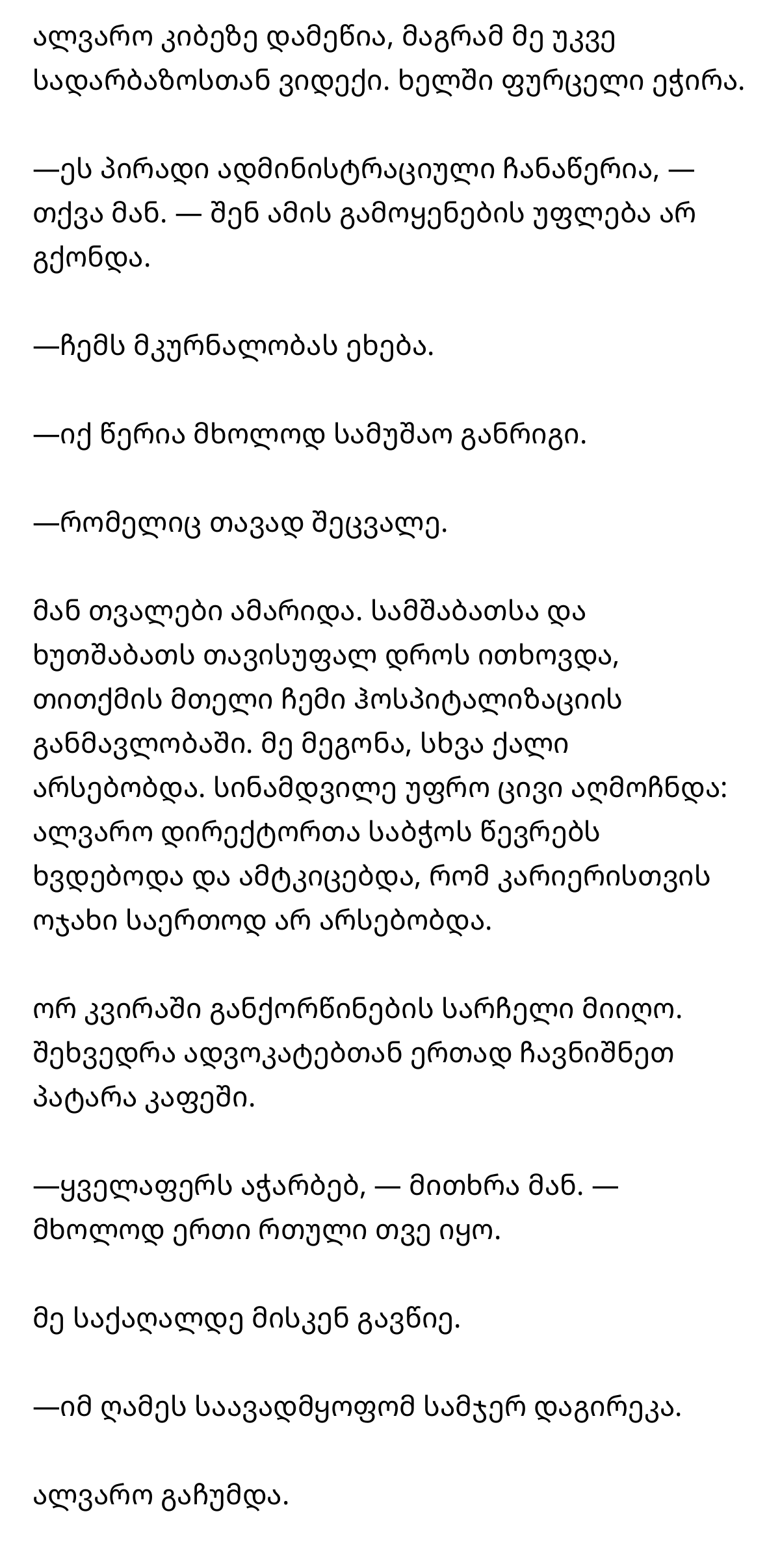
“This is a private administrative record,” he said. “You had no right to use it.”
“It concerns my treatment.”
“It says only the work schedule.”
“Which you changed yourself.”
He looked away from me. On Tuesdays and Thursdays he had requested free time, during almost my entire hospitalization. I thought there was another woman. The truth was colder: Alvaro was meeting members of the board of directors and arguing that a family did not exist at all for his career.
Two weeks later he received the divorce petition. We arranged a meeting with our lawyers at a small café.
“You are exaggerating everything,” he told me. “It was only one difficult month.”
I pushed the folder toward him.
“That night the hospital called you three times.”
Alvaro fell silent.
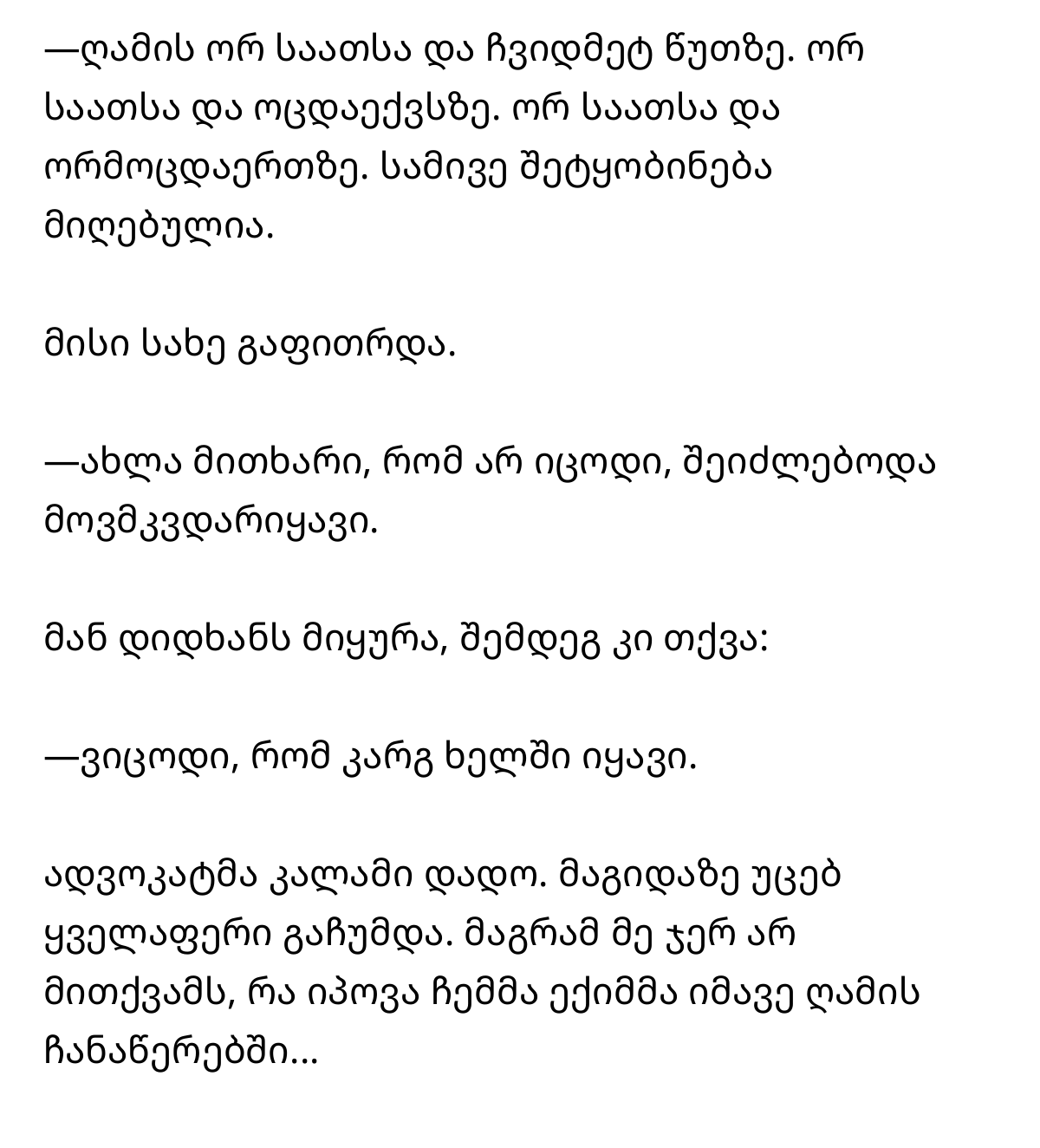
“At two seventeen at night. At two twenty-six. At two forty-one. All three messages were received.”
His face turned pale.
“Now tell me that you did not know I could have died.”
He looked at me for a long time, then said:
“I knew you were in good hands.”
The lawyer put down his pen. Suddenly everything at the table fell silent. But I had not yet said what my doctor found in the records from that same night…
Lawyer Nika pushed his chair back and placed a second folder on the table. It was six in the evening at the café. Raindrops fell against the windows, while the bronze clasp of my small bag softly tinkled with every movement.
“Before anyone leaves here, you must hear this,” Nika said.
Alvaro’s lawyer, Raul, raised his hand.
“If this is new material, the meeting must be postponed.”
“No,” I answered. “That is exactly why I asked for it to be here today.”
Nika took an official copy out of the folder. It had the hospital’s stamp and my patient number on it.
“Lucia’s condition sharply worsened on the twentieth night. Her blood pressure fell, the indicator of infection in her blood increased, and the doctor called the family contact person for consent to an emergency operation.”
Alvaro shifted in his chair.
“I was in an operation at that time.”
“Not in your department,” Nika said. “During the free hours requested by you.”
He read the record.
“The call was made at two seventeen. There was no answer. The second message was sent at two twenty-six. It was received. The third call was at two forty-one. It was received.”
Alvaro’s lips lost their color.
“Someone else may have had the phone.”
Nika took out a small memory device and connected it to the café’s screen. The recording was from the hospital telephone system. First the ringing sound was heard, then Alvaro’s voice.
“Who is it?”
“Mr. Montes, your wife’s condition has worsened. The doctor urgently needs consent.”
After several seconds of silence, Alvaro said:
“I cannot come now. The doctors know what they are doing.”
The recording ended.
I felt something break inside me, although no tears came. For eight years I had thought that he was simply helpless. Now I knew: he had made a choice.
“Did you say this?” Raul asked.
Alvaro looked at him.
“I was in a panic.”
“No,” I said. “You were calculating.”
Raul closed the folder.
“Alvaro, this is no longer only a divorce. An attempt to alter medical records, conceal family information, and ignore messages about a patient’s condition are serious matters.”
Alvaro stood up.
“Lucia, please. I will give you whatever you ask for.”
“I did not ask for money.”
“Then what do you want?”
For the first time I looked directly into his eyes.
“I want to no longer have to justify your actions.”
Just then Nika’s phone rang. He listened, his face changed, and he turned toward me.
“The hospital’s supervisory board has scheduled an emergency meeting. But that is not the worst news. Someone has sent them another file, a file Alvaro has not seen…”
მისმა საკუთარმა ხმამ ყველაფერი მის წინააღმდეგ თქვა…
მეგონა, სიმართლე უკვე ვიცოდი. მაგრამ ფინალში გავიგე, რამდენად ძვირი დაუჯდა მას ჩემი დუმილის დაკარგვა.
„ახლა ვერ მოვალ. ექიმებმა იციან, რას აკეთებენ.“
ალვარო პირველად დადუმდა.
👇 ისტორიის ფინალი უკვე გახსნილია






