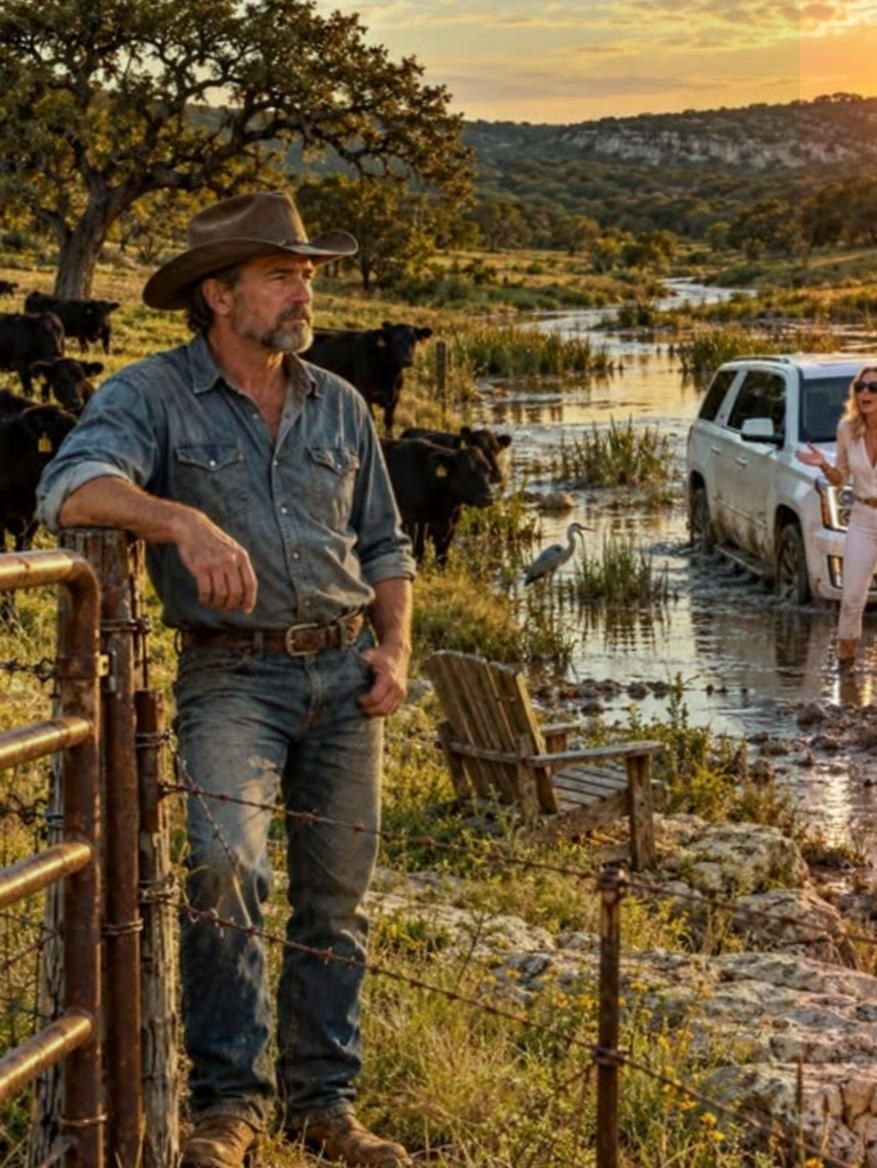

That morning Tamar Fullerton drove a car into my pasture and shouted at me as if I were the one standing in her way.
“Move your disgusting cows off the road!”
The expensive white car had come thirty meters onto my land. Behind it, freshly cut wire gleamed. In the cold morning air, the livestock’s steaming breath was visible, while Cypress Creek flowed calmly over the stones.
I stopped at the gate and placed my gloved hand on the upper rail.
“This is not a road, Tamar.”
She took off her dark glasses.
“It becomes a road when people use it.”
“My family has owned this land since nineteen sixty-one.”
“I don’t care whether your grandfather grew out of the ground or fell from the sky. One hundred and forty-seven families need time.”
She pointed to the brown path running across my pasture.
“This road connects the neighborhood to the main road in two minutes.”
“The official entrance will get you there in fourteen minutes.”
“Exactly. We are fourteen minutes late.”
“This is my property.”
“Move with the times, Colt. Progress does not ask permission from those who stand in its way.”
The car window rose and the car disappeared through the cut in the wire. Dust hung for a long time in the first rays of sunlight.
I bent down and touched the cut cable with my finger. The metal was new. This was already the third cut in two months.
My ranch stretched across three hundred and eighty hectares. I grew up here, lost my wife, Sarah, here, and raised fourteen-year-old Elle here. The wooden chair beside the creek that Sarah loved still stood there. Every morning she drank coffee there until illness made it impossible for her to get out of bed.

When the new Ridgewood development was built, everything changed. Houses appeared, a pool, a club, and people who believed private land was their shortcut.
First they cut the fences. Then rumors about me spread.
One Tuesday, the district health officer, Dwight Palmer, met me by the barn.
“We received a complaint. They say your livestock waste is polluting the creek.”
“Who says that?”
“The complaint is confidential.”
The answer was already written on his face.
I showed him everything: the drainage channels, grass buffer strips, water tanks, and reinforced sections of soil. He took samples. Ten days later the complaint was rejected. There was no pollution.
But Tamar did not back down. She wrote on the neighborhood page that the inspection was insufficient and forbade children from approaching the creek.
That evening Elle entered the kitchen in silence.
“Dad, Kayla said your cows are poisoning children.”
“And what did you tell her?”
“That it’s a lie. But the teacher was standing there and said nothing.”
Her voice broke.
“If it’s a lie, why aren’t they stopping it?”
I had no answer to that question.
That night I put every message, letter, and photograph of the cut fence into one folder. My old habit returned: an engineer measured a problem first, then fought it.

Eleven nights later the camera detected movement. Two men approached my fence. One was holding wire cutters. And on the car door the inscription “Fullerton Services” was clearly visible.
The next morning I showed the recording to Sheriff Boyd Lawson.
“I know whose car it resembles,” he said, “but knowledge and evidence are not the same thing.”
That same day my elderly neighbor, Walt Pickett, told me that the original Ridgewood plan had contained a second, legal road. Then it disappeared.
“Whose signature made it disappear?” I asked.
Walt put his coffee on the counter.
“Dale Fullerton’s.”
Dale was Tamar’s husband and a member of the district planning commission.
The public records arrived in three weeks. I spread four hundred and twelve pages across the kitchen table. The road was clearly visible on the original plan. On the changed plan it no longer existed.
After ten at night I froze over one sheet. Forty-five thousand dollars had been transferred from the developer to the Fullerton family trust.
Elle stopped beside me.
“Dad, did they buy this road?”
I could not answer her.
Outside, the creek flowed quietly. And for the first time I saw that its water preserved not only the land, but also the traces of people.

The next morning I received a new letter from Tamar. She was asking the district to take part of my land and build a road for Ridgewood.
In the evening she gathered people at my fence. They held signs: “Children Before Livestock!” Tamar shouted through a megaphone.
“Colt Hendrix has nothing to hide, does he?”
I watched in silence.
At that moment the sheriff called me.
“Colt, go to the creek now. Someone dumped trash there.”
Before I could start the car, Tamar pointed a hand at me. Behind her, a white truck crossed the gate. I fixed my gaze on the recording camera and reached toward the folder, where the last sheet had not yet been opened…
The folder contained the developer’s original plan, the changed plan, and the transfer of money. But I had not yet seen the most dangerous thing.
At the creek I found the waste from three trucks: concrete fragments, rusty rebar, and construction debris. Frogs were hiding in the fresh water. When I heard their sound, my stomach tightened.
“Don’t move anything,” environmental inspector Nina told me. “This is no longer only a land dispute.”
The camera had recorded everything. The first vehicle belonged to the Fullerton company. The driver’s face was visible too.
Attorney Trent saw the documents and fell silent.
“If this transfer is connected to the cancellation of the road, Tamar built the entire neighborhood on a lie.”
“We still have to prove that.”
“And if you prove it?”
“Then their shortcut ends.”
I began studying the creek. On my land there was a natural basin that always filled with water during heavy rain. I requested permission to restore the marsh there. The road would go under the water, but this would be environmental work, not revenge.

Nina told me:
“If the road no longer exists tomorrow, will you still build the project?”
“Yes.”
She nodded.
When the permit was approved, Tamar requested a district hearing. She wanted my land taken for a public road.
But one night before the hearing another truck came in. The camera filmed the driver directly.
No one could hide his name anymore.
And in that same recording, on the back of the vehicle, appeared a sign that changed Dale Fullerton’s face…
The recording spread across the large screen. Everyone in the hearing room fell silent.
For the first time the nighttime footage appeared: a Fullerton Services vehicle, two trucks, the cut wire at the gate. Then the driver came close to the camera. His face was clearly visible.
Sheriff Lawson said aloud:
“This recording is original. My department possesses it.”
Tamar jumped up from her chair.
“It could have been edited!”
“No,” the sheriff replied. “The timestamps, files, and vehicle number match one another.”

I placed the first plan on the table.
“This was Ridgewood’s original project. Here you can see the second road that ran directly to the main road.”
Then I raised the changed plan.
“Here the road disappeared. They did not create a new alternative.”
A murmur went through the room.
Dale Fullerton sat at the commission table. He adjusted his tie, but his fingers were trembling.
“Changes in plans are an ordinary matter,” he said. “This proves nothing.”
I opened the third sheet.
“This is the forty-five-thousand-dollar transfer from the developer to your family trust. The date is three weeks before the change was approved.”
Tamar looked at her husband.
“Dale, tell them this was another deal.”
Dale stood up.
“This is a private financial matter.”
“No,” I said. “When you sign the cancellation of a road and at the same time receive money from the developer, it is already a public matter.”
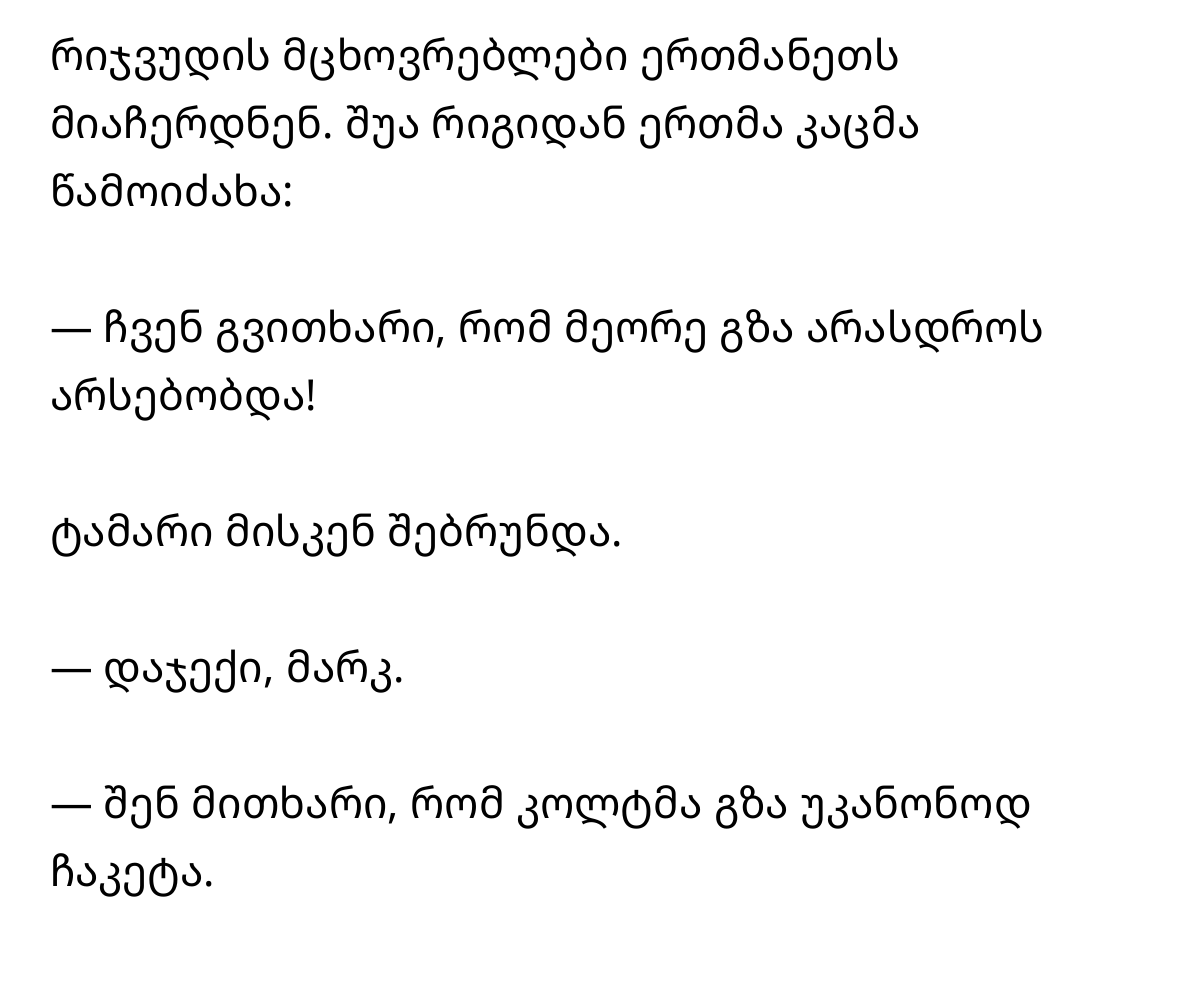
The Ridgewood residents stared at one another. A man from the middle row shouted:
“You told us the second road had never existed!”
Tamar turned toward him.
“Sit down, Mark.”
“You told me Colt had illegally closed the road.”
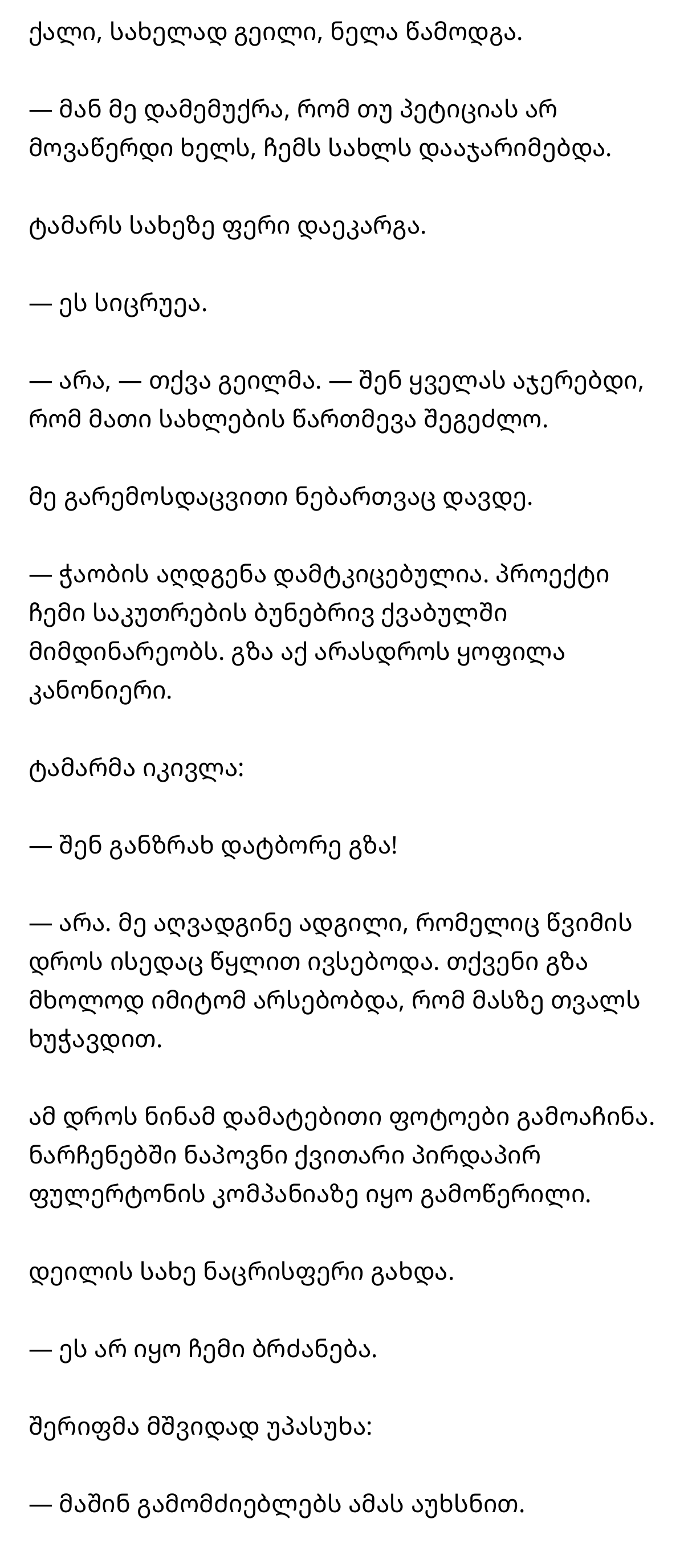

A woman named Gail slowly stood up.
“He threatened me that if I did not sign the petition, he would fine my house.”
The color drained from Tamar’s face.
“That is a lie.”
“No,” Gail said. “You convinced everyone that you could take their houses away.”
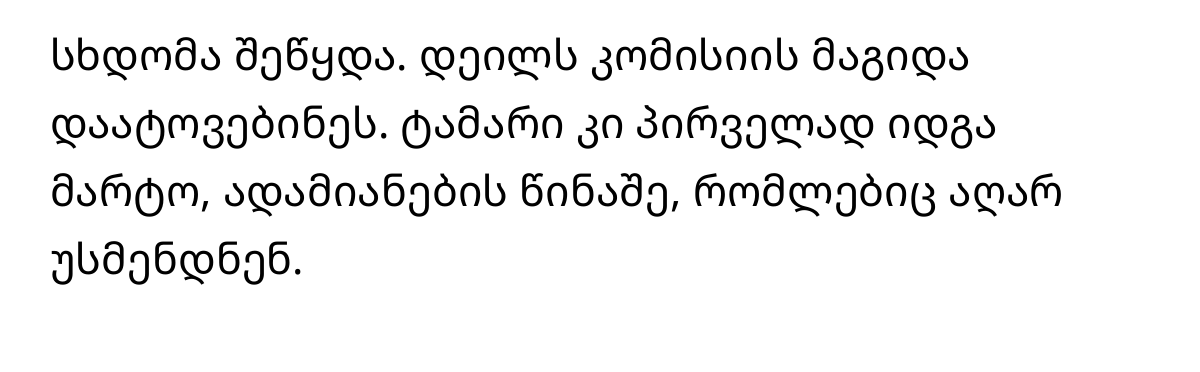
I also placed the environmental permit down.
“The marsh restoration has been approved. The project is taking place in the natural basin on my property. The road was never legal here.”
Tamar screamed:
“You deliberately flooded the road!”
“No. I restored a place that already filled with water during rain. Your road existed only because you were closing your eyes to it.”
At that moment Nina displayed additional photographs. The receipt found in the waste was made out directly to the Fullerton company.
Dale’s face turned gray.
“That was not my order.”
The sheriff answered calmly:
“Then you will explain that to the investigators.”
The hearing was suspended. Dale was made to leave the commission table. And Tamar stood alone for the first time before people who were no longer listening to her.

I thought everything was over.
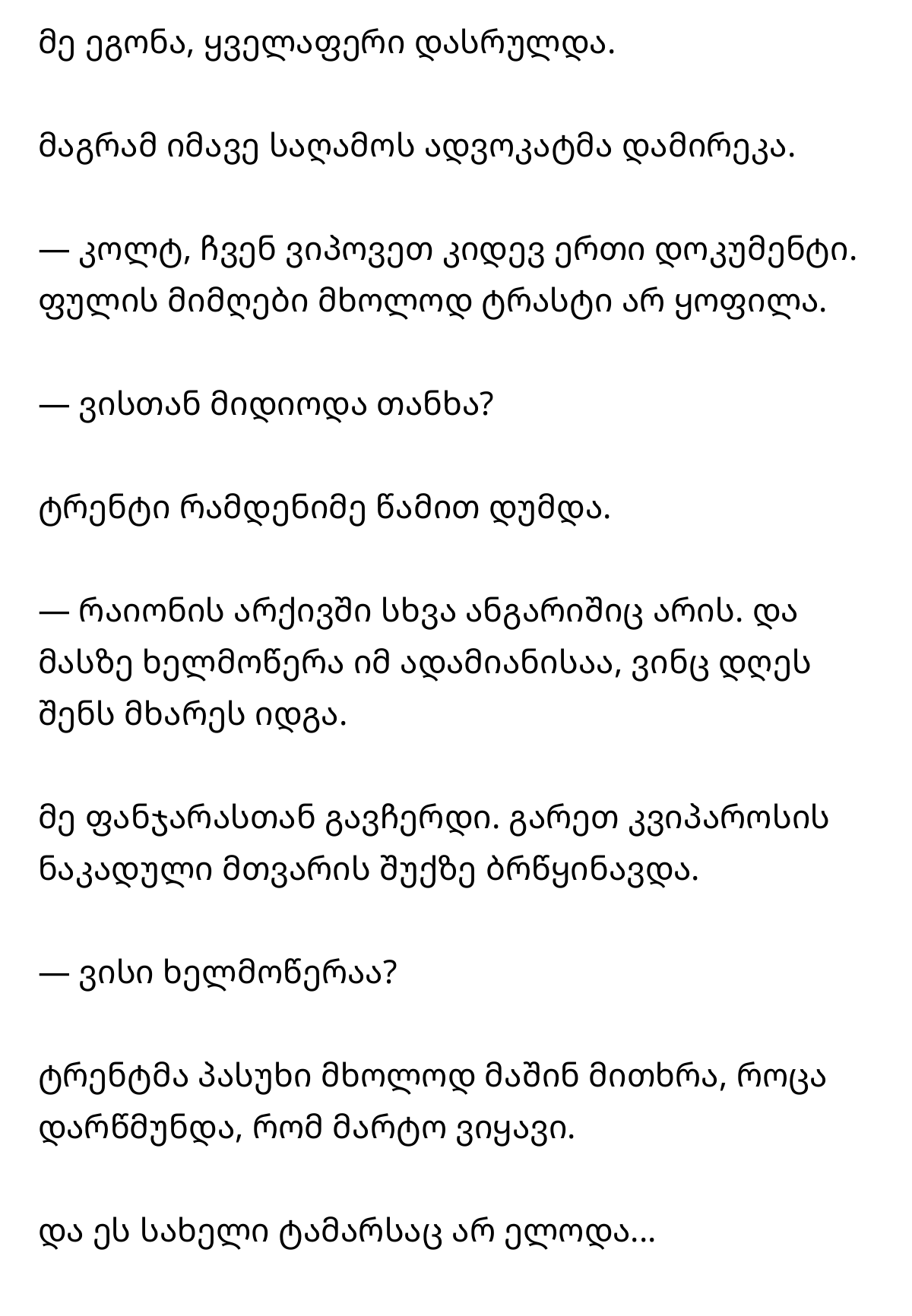
But that same evening my attorney called me.
“Colt, we found another document. The trust was not the only recipient of the money.”
“Who was the money going to?”
Trent was silent for several seconds.
“There is another account in the district archive. And the signature on it belongs to the person who stood on your side today.”
I stopped by the window. Outside, Cypress Creek glittered in the moonlight.
“Whose signature is it?”
Trent told me the answer only when he was sure I was alone.
And Tamar did not expect that name either…
ნაკადულმა ის ჩაიწერა, რასაც ადამიანები მალავდნენ…
მე მეგონა, რომ მთავარი ბრძოლა უკვე დასრულებული იყო. მაგრამ ბოლო დოკუმენტმა ყველაფერი თავიდან დაატრიალა.
„ჩემს ცხოვრებაში დაბრუნება აღარ შეგიძლია.“
და პირველად მშვიდად ამოისუნთქა.
👇 ისტორიის ფინალი უკვე გახსნილია






